Früher war die Sache klar: Papier war "wie es sich gehört", digital war "irgendwie unfertig". Diese Trennung stimmt so nicht mehr. 2026 bieten digitale Einladungen professionelles Design, ein Live-Dashboard für alle Zusagen, automatische Übersetzung für die Verwandtschaft aus dem Ausland und Versand direkt über WhatsApp – Dinge, die eine gedruckte Karte schlicht nicht kann. Unsere eigenen Daten zeigen, was digital passiert: 61 % der WhatsApp-Einladungen werden gelesen, und bei der typischen Veranstaltung antworten mehr als die Hälfte (54 %) der eingeladenen Gäste von sich aus. Bei 150 Gästen liegt der Kostenunterschied schnell bei 700 Euro oder mehr.
Trotzdem hat Papier echte Stärken – nicht nur sentimentale. Es gibt Situationen, in denen Papier tatsächlich die richtige Wahl ist, nicht nur die traditionelle. Und es gibt Situationen, in denen man an Papier festhält, "weil es sich so gehört", und dafür am Ende Zeit, Geld und mehrere unangenehme Nachfrage-Anrufe bei der Tante bezahlt, die die Antwortkarte irgendwo verlegt hat.
Dieser Leitfaden vergleicht Papier, digital und WhatsApp ehrlich miteinander, zeigt den Hybrid-Ansatz mit QR-Code, den die wenigsten Paare kennen, und sagt euch offen, wann Papier tatsächlich die bessere Wahl bleibt.
In diesem Leitfaden
- Die Vergleichstabelle: Papier, Digital, WhatsApp
- Kostenaufschlüsselung: Was ihr wirklich bezahlt
- Rücklaufquoten im Vergleich
- Warum WhatsApp in Deutschland fast alles schlägt
- Der Hybrid-Ansatz: Papier + digitale RSVP
- Verwandtschaft im Ausland & internationale Gäste
- Was ist mit Oma und Opa?
- Umweltbilanz: Die Zahlen
- Das Fazit: Was solltet ihr wählen?
- Häufige Fragen
Lesen ist das eine — Ausprobieren das andere. Das Telefon rechtsunten ist ein echtes, funktionierendes RSVP: Tippt auf die Einladung, wie es eure Gäste tun würden.
Die Vergleichstabelle: Papier, Digital, WhatsApp
Hier ein Nebeneinander-Vergleich aller Faktoren, die bei der Wahl des Einladungsformats wirklich zählen.
| Kriterium | Papier | Digital (E-Mail / Link) | WhatsApp / SMS |
|---|---|---|---|
| Kosten (100 Gäste) | 500–1.200 € + | 0–50 € | 0–30 € |
| Versanddauer | 2–4 Tage im Inland, 1–3 Wochen ins Ausland | Sofort | Sofort |
| Lese- / Öffnungsrate | Zugestellt, aber ob gelesen wird, bleibt unbekannt | Öffnungen nur ungenau messbar | 61 % gelesen |
| RSVP-Verfolgung | Handschriftliche Liste oder Excel | Live-Dashboard | Live-Dashboard + Lesebestätigung |
| Umweltbilanz | ~7 kg Papiermüll, ~200 g CO₂ pro Einladung | Minimal (nur Serverenergie) | Minimal (nur Serverenergie) |
| Anpassung | Papierqualität, Schriftart, Drucktechnik | Designs, Farben, eigene Felder, Übersetzung | Persönliche Nachricht pro Gast |
| Nachträglich änderbar | Nein — neu drucken und verschicken | Ja, sofort | Ja, neue Nachricht senden |
| Mehrsprachige Gäste | Separater Druckauftrag je Sprache | Ein Formular, Sprache automatisch erkannt | Jeder Gast in seiner bevorzugten Sprache |
| Datenschutz | Physisch, aber ungeschützt bei Verlust der Karte | DSGVO-konform, Daten nur in eurem Dashboard | DSGVO-konform, Daten nur in eurem Dashboard |
| Wirkt | Feierlich, nostalgisch, gut als Andenken | Modern, praktisch, mobil optimiert | Persönlich, wie eine Nachricht von Freunden |
| Förmlichkeit | Höchste wahrgenommene Förmlichkeit | Mittel bis hoch, je nach Design | Locker bis mittel |
Kostenaufschlüsselung: Was ihr wirklich bezahlt
Der Kostenunterschied zwischen Papier und Digital ist erheblich und wächst mit jedem weiteren Gast. Hier eine realistische Rechnung für eine Hochzeit mit 150 Gästen, mit aktuellen Preisen der Deutschen Post.
Papiereinladungen (150 Gäste)
- Design & Druck: 300–800 €
- Umschläge (innen + außen): 50–100 €
- Porto Hinweg (0,85 € je Stück): 128 €
- Antwortkarten + Rückumschläge: 75–150 €
- Porto Rückweg (0,85 € je Stück): 128 €
- Detailkarten / Anfahrtsskizze: 50–100 €
- Montage & Kalligrafie (optional): 100–300 €
Digital + WhatsApp mit QuikRSVP (150 Gäste)
- Professionelles Formulardesign: inklusive
- Event Pro: 45 $ einmalig pro Event, bis 150 Antworten (eine pro Haushalt, also rund 300 Gäste)
- Live-Dashboard zur Verfolgung: inklusive
- Eigene Felder (Menüwahl, Musikwünsche etc.): inklusive
- Automatische Übersetzung: 1 Sprache kostenlos, 70+ Sprachen mit Event Pro
- WhatsApp-Massenversand: in jedem Tarif (25 Start-Credits gratis, 150 mit Event Pro)
- QR-Code für Druckmaterialien: inklusive
Das sind rund 700 bis 1.450 Euro gespart – Geld, das eher in den Fotografen, die Flitterwochen oder eine bessere Getränkeauswahl fließen sollte, als in Porto. Und anders als beim Papier bekommt ihr digital mehr Funktionen, nicht weniger: Live-Verfolgung, automatische Erinnerungen, Sitzplan-Tool und QR-Check-in am Hochzeitstag.
Die Hybrid-Kostenrechnung
Wer die Haptik von gedrucktem Papier mag, sich aber nicht mit Antwortkarten und Rückumschlägen herumschlagen will, fährt mit dem Hybrid-Ansatz am günstigsten. So rechnet er sich:
- Papiereinladung ohne Antwortkarte und Rückumschlag: 200–500 € für 150 Gäste – nur Karte und Außenumschlag
- Porto (nur Hinweg): ~128 € für 150 Einladungen zum aktuellen Tarif
- QR-Code-Einlegekarte (optional, gedruckt): 30–60 € für 150 Karten
- Digitale RSVP mit QuikRSVP Event Pro: 45 $ einmalig pro Formular – bis 150 Antworten, beliebig viele Sprachen und CSV-Export
- Gesamtkosten Hybrid: etwa 375–735 €
Zum Vergleich: Ein vollständiges Papier-Set (Einladung + Antwortkarte + Rückumschlag + Rückporto + Detailkarten) kostet 750–1.500 € für dieselben 150 Gäste. Der Hybrid-Ansatz spart 300–800 € und die Gäste halten trotzdem eine echte Einladung in der Hand.
Deutsche Post 2026: Porto ist ein echter Kostenfaktor
Bei 0,85 € pro Standardbrief kostet allein der Versand von 150 Einladungen mit Antwortkarte hin und zurück über 250 €, ohne dass ein einziger Umschlag oder ein Blatt Papier darin enthalten ist. Wer auf die Rückantwortkarte verzichtet und stattdessen einen QR-Code aufdruckt, spart diese zweite Portorunde komplett.
Rücklaufquoten im Vergleich
Die wichtigste Zahl bei der Hochzeitsplanung ist: Wie viele Gäste antworten überhaupt? Papier-Antwortkarten haben ein gut dokumentiertes Problem. Erfahrungswerte aus der Hochzeitsbranche zeigen konsistent, dass 35–45 % der Gäste, die eine Antwortkarte erhalten, diese nie zurückschicken. Sie geht verloren, landet auf der Kommode oder wird schlicht vergessen – und die Brautleute müssen am Ende unangenehme Erinnerungsanrufe führen.
Rücklaufquote
bei der typischen Veranstaltung
antworten vom Handy
gemessen
WhatsApp-Einladungen gelesen
gemessen
Der Unterschied liegt an der Reibung. Eine Antwortkarte verlangt vom Gast, einen Stift zu finden, sie auszufüllen, eine Briefmarke aufzutreiben (die viele längst nicht mehr zu Hause haben) und sie zur Post zu bringen. Eine digitale RSVP verlangt einen Fingertipp auf "Ja" oder "Nein" – rund jede vierte Antwort kommt noch in der ersten Stunde nach der Einladung, fast die Hälfte innerhalb eines Tages.
Digitale Plattformen erlauben zudem automatische Erinnerungen an alle, die noch nicht geantwortet haben – ohne dass ihr jeden Einzelnen persönlich nachfassen müsst. Bei Veranstaltungen, die nachgefasst haben, kamen rund 4 von 10 Antworten (39 %) erst nach der Erinnerung an den jeweiligen Gast herein.
Warum WhatsApp in Deutschland fast alles schlägt
Die meisten "digital vs. Papier"-Vergleiche denken bei "digital" nur an E-Mail. Das ist eine große Lücke – gerade in Deutschland, Österreich und der Schweiz, wo WhatsApp die SMS praktisch vollständig verdrängt hat. Laut Marktforschung nutzen über 90 % der deutschen Smartphone-Besitzer WhatsApp aktiv, und für viele Familien läuft die komplette private Kommunikation über Familien- und Freundeskreis-Gruppen. E-Mail ist dagegen fest mit Arbeit, Behörden und Newslettern verknüpft – eine Hochzeitseinladung per E-Mail zu verschicken, fühlt sich für viele Gäste an wie eine Rechnung im Postfach.
Die Leserate spricht eine klare Sprache
Gemessen an 5.475 WhatsApp-Einladungsnachrichten wurden 61 % der Einladungen gelesen. Und weil ihr seht, wem zugestellt wurde, wer gelesen und wer geantwortet hat, erinnert ihr gezielt nur die, die noch fehlen – statt die ganze Liste erneut anzuschreiben.
Eine WhatsApp-Nachricht dagegen taucht im selben Chat auf wie die Nachrichten von Mutter, bester Freundin oder Kegelclub. Das ist kein Werbekanal, das ist der private Raum. Genau deshalb wird eine Einladung dort wahrgenommen statt überflogen – mit demselben RSVP-Formular dahinter.
Datenschutz ist kein Nebenthema
Gerade in Deutschland ist die Frage "Wo landen die Daten meiner Gäste?" keine Formsache. QuikRSVP verarbeitet alle Angaben – Namen, Essenswünsche, Kontaktdaten – DSGVO-konform und ausschließlich in eurem eigenen Dashboard, ohne Weitergabe an Werbenetzwerke. Das lässt sich einer skeptischen Schwiegermutter erklären, ohne dass ihr ins Schwitzen kommt.
So funktioniert der WhatsApp-Massenversand bei QuikRSVP
- Jeder Gast bekommt eine persönliche Nachricht mit Namen und einem eigenen RSVP-Link. Tippt der Gast durch und antwortet, landet die Antwort automatisch beim richtigen Namen in eurem Dashboard.
- Kosten: 1 Guthaben-Einheit pro Kontakt — genauso viel wie E-Mail. Kein Aufpreis für WhatsApp.
- Zweisprachiger Kampagnen-Modus: Habt ihr Verwandtschaft in der Türkei, Polen oder Italien, könnt ihr in einer einzigen Kampagne jede Sprachgruppe automatisch in ihrer eigenen Sprache anschreiben — keine separaten Listen, kein manuelles Sortieren.
- Lesebestätigungen: Ihr seht auf einen Blick, wer die Nachricht bereits geöffnet hat, ohne nachfragen zu müssen.
Welcher Kanal für welchen Anlass?
| Anlass | Bester Kanal |
|---|---|
| Sehr traditionelle, streng kirchliche Feier | Papiereinladung + QR-Code zum digitalen Formular |
| Moderne Hochzeit, überwiegend regionale Gäste | Digitaler RSVP-Link per WhatsApp oder E-Mail |
| Verwandtschaft aus mehreren Ländern | WhatsApp-Kampagne mit mehrsprachigem Formular |
| Hochzeit im Ausland / Destination Wedding | WhatsApp + digitales Formular mit Reisefeldern |
| Standesamt oder freie Trauung, unkompliziert | WhatsApp oder SMS — schnell, unkompliziert, ohne Förmlichkeit |
| Firmenfeier oder größere öffentliche Veranstaltung | E-Mail mit digitalem RSVP-Link (professionell, nachvollziehbar) |
Der Hybrid-Ansatz: Papier-Einladung + digitale RSVP
Ihr müsst euch nicht für genau eine Variante entscheiden. Der ausgereifteste Ansatz – und der, den immer mehr Paare mit gemischter Gästeliste wählen – kombiniert alle drei: eine gedruckte Einladung fürs Gefühl, ein digitales Formular für die Verfolgung, eine WhatsApp-Kampagne für Erinnerungen und kurzfristige Absprachen.
So setzt ihr den vollständigen Hybrid-Ansatz um
- Gestaltet eine schöne Papiereinladung — aber ohne Antwortkarte, Rückumschlag und Rückporto. Das allein spart 150–300 €.
- Druckt einen QR-Code auf die Einladung oder eine kleine Einlegekarte, der direkt zu eurem digitalen RSVP-Formular führt. Gäste scannen mit der Handykamera und antworten in Sekunden. Mehr dazu in unserem Leitfaden zu QR-Codes für den Check-in am Veranstaltungstag.
- Schreibt die Web-Adresse zusätzlich als Text dazu — etwa "RSVP unter quikrsvp.com/eurenamen" für Gäste, die lieber tippen als scannen. (Eine solche Wunsch-Adresse legt ihr in jedem Tarif kostenlos fest; sie geht online, sobald eure E-Mail-Adresse bestätigt ist.)
- Verschickt eine WhatsApp- (oder SMS-)Kampagne an alle, deren Nummer ihr habt. Das erreicht Gäste, die die Papierpost noch nicht geöffnet haben, und gibt euch einen direkten Kanal für Erinnerungen.
- Verwaltet alle Antworten in einem Dashboard. Egal ob ein Gast die Papiereinladung erhielt und den QR-Code scannte, oder eine WhatsApp-Nachricht bekam und den Link antippte — alle Antworten landen im selben Formular und in derselben Übersicht. Mit Event Pro Signature bekommt jeder Gast nach der Zusage außerdem eine persönliche Bestätigungs-QR-Code-Seite, die sich für den Einlass am Veranstaltungstag nutzen lässt.
Die QR-Code-Brücke — und der Einlass am Hochzeitstag
QuikRSVP erstellt für jedes Formular automatisch einen eigenen QR-Code. Ladet ihn als hochauflösendes Bild herunter und gebt ihn eurer Druckerei für Einladung oder Einlegekarte. Scannt ein Gast den Code, landet er direkt auf eurem Formular — kein Tippen, kein Suchen, keine verlorene Karte.
Mit Event Pro Signature bekommt jeder Gast nach dem Absenden der RSVP einen persönlichen Bestätigungs-QR-Code. Am Hochzeitstag zeigt er ihn einfach am Einlass vor — kein ausgedruckter Gästezettel, kein manuelles Abhaken. Die Papiereinladung bleibt das schöne Andenken. Der QR-Code übernimmt die Organisation.
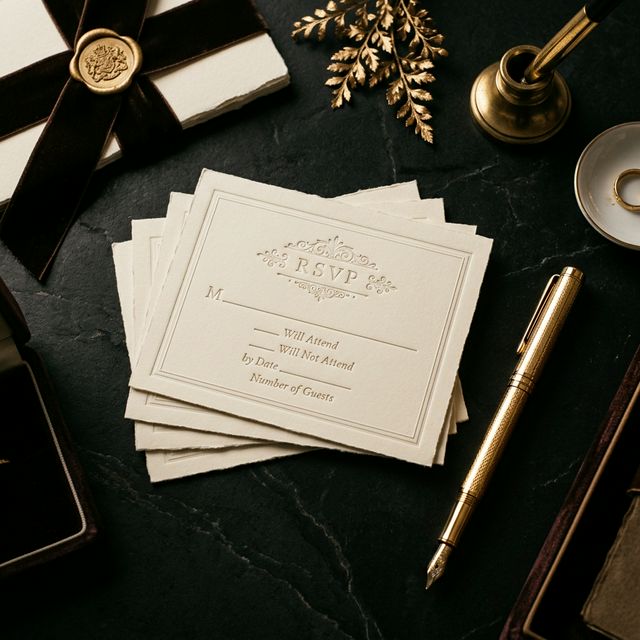
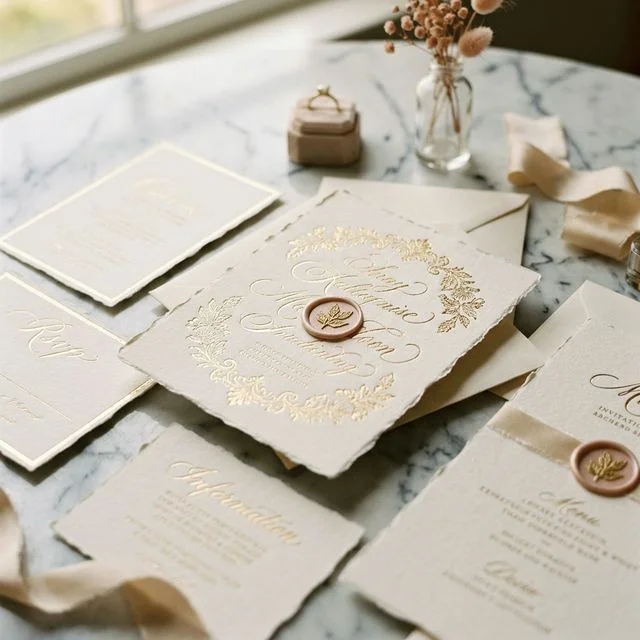
So bekommt ihr die Haptik einer klassischen Einladung mit der Übersicht eines digitalen Dashboards. Der Fotograf bekommt ein schönes Flatlay-Motiv, und ihr habt die aktuelle Zusagenzahl jederzeit auf dem Handy.
Für wen sich der volle Hybrid-Ansatz besonders lohnt
- Familien mit Verwandtschaft im Ausland — etwa deutsch-türkische, deutsch-polnische oder deutsch-italienische Familien, bei denen eine Seite fast ausschließlich über WhatsApp kommuniziert und die andere die gedruckte Einladung erwartet. Papier für die Eltern, WhatsApp für die Cousins, ein Dashboard für alle.
- Gästelisten mit gemischtem Alter — manche erwarten Papier, andere leben auf dem Handy.
- Traditionsbewusste Eltern, modernes Brautpaar — die Eltern bekommen die gewünschte Papiereinladung, ihr bekommt die digitale Übersicht, die ihr braucht.
- Sparsame Paare, die trotzdem etwas Gedrucktes wollen — der Verzicht auf Antwortkarte, Rückumschlag und Rückporto spart 2–4 € pro Einladung.
- Alle, die schon einmal Antwortkarten hinterhertelefoniert haben — die WhatsApp-Erinnerungskampagne erspart genau diese unangenehmen Anrufe.
Verwandtschaft im Ausland & internationale Gäste
Kaum eine deutsche Gästeliste ist heute rein deutschsprachig. Viele Paare haben Verwandtschaft in der Türkei, Polen, Russland, Italien oder anderswo — und je nach Land ist die Erwartung an den Einladungskanal ganz unterschiedlich.
| Land / Region | Wichtigster privater Kanal | Was ihr tun solltet |
|---|---|---|
| Türkei | WhatsApp ist die zentrale Familien-App. Eine türkischsprachige RSVP-Version über QuikRSVPs zweisprachigen Kampagnenmodus erreicht auch Verwandte, die kein Deutsch lesen. | |
| Polen | WhatsApp / Messenger | WhatsApp hat SMS auch hier weitgehend abgelöst. Polnische Formularsprache mit WhatsApp-Versand kommt deutlich besser an als eine deutschsprachige E-Mail. |
| Italien | Ähnlich wie in Deutschland ist WhatsApp der dominante private Kanal. Italienische Formularsprache plus WhatsApp funktioniert zuverlässig. | |
| Österreich & Schweiz | Gleiche Erwartungshaltung wie in Deutschland — WhatsApp mit deutschsprachigem Formular funktioniert direkt. | |
| USA / Kanada | E-Mail / SMS | Bei US-Rufnummern schaltet QuikRSVP automatisch auf SMS um, da Meta WhatsApp-Massenkampagnen für US-Nummern einschränkt. E-Mail funktioniert dort weiterhin gut. |
| Israel & arabischsprachige Länder | WhatsApp ist nahezu universell. QuikRSVP unterstützt Hebräisch und Arabisch inklusive RTL-Layout nativ in Formular und Kampagne. | |
| Ältere Gäste, unabhängig vom Land | Papier oder Telefon | Für Gäste ohne Smartphone bleibt Papier oder ein kurzer Anruf die zuverlässige Rückfalllösung. Siehe unseren Leitfaden für zweisprachige Formulierungen für klare RSVP-Hinweise für alle Gästegruppen. |
Die Realität multikultureller Hochzeiten
Viele Gästelisten reichen heute über mehrere Länder und Kommunikationskulturen hinweg. Eine deutsch-türkische Hochzeit hat vielleicht Verwandte in Istanbul, die ausschließlich über WhatsApp kommunizieren, Kolleginnen in Deutschland, die E-Mail checken, und Großeltern beiderseits, die eine gedruckte Einladung erwarten. QuikRSVPs zweisprachiger Kampagnenmodus wurde genau für diesen Fall gebaut: eine Kampagne, mehrere Sprachen, jeder Gast bekommt die Nachricht in seiner bevorzugten Sprache, alle Antworten landen im selben Dashboard.
Für Hilfe bei kultursensibler RSVP-Formulierung siehe unseren Leitfaden für zweisprachige Formulierungen und den Leitfaden zur Verwaltung internationaler Hochzeitsgäste.
Was ist mit Oma und Opa?
Das ist der häufigste Einwand gegen digitale Einladungen — und er verdient eine konkrete statt einer pauschalen Antwort.
Die meisten älteren Gäste können mehr, als Paare annehmen. Die Smartphone-Nutzung bei über 65-Jährigen liegt in Deutschland inzwischen deutlich über 60 % und steigt weiter. Viele Großeltern nutzen WhatsApp längst täglich, um mit Kindern und Enkeln in Kontakt zu bleiben. Wer ein Foto per WhatsApp bekommen und mit einem Herz-Emoji antworten kann, kann auch auf einen RSVP-Link tippen.
Das eigentliche Hindernis bei älteren Gästen ist meist nicht das Smartphone, sondern unbekannte Plattformen mit Konto-Erstellung, App-Download oder komplizierter Navigation. Genau das verlangt ein QuikRSVP-Formular nicht: Link antippen, einfaches Formular sehen, "Ja" oder "Nein" antippen, fertig. Kein Login, keine App, kein Konto — derselbe Aufwand wie das Lesen und Beantworten einer WhatsApp-Nachricht.
Direkt anrufen und selbst eintragen
Für 3–5 Gäste, die wirklich nicht mit einem Formular zurechtkommen, ist ein zweiminütiger Anruf schneller als eine Papierkarte samt Warten aufs Zurückschicken. Ihr tragt die Antwort selbst ins Dashboard ein.
Enkelkind oder Nachbarin einmal helfen lassen
Die meisten "technikfernen" Gäste haben digitale Geräte längst hundertfach mit Hilfe genutzt. Neunzig Sekunden Unterstützung reichen meist aus.
Papierkarten gezielt für Einzelne drucken
Braucht ihr 5 Gäste eine Papierkarte, druckt 5 — nicht 150. Der Mehraufwand liegt bei unter 15 €, ihr spart trotzdem 700 € und mehr gegenüber dem vollen Papier-Set.
Formular für diese Gruppe bewusst vereinfachen
Verzichtet bei diesen Gästen auf optionale Felder wie Musikwünsche. Konzentriert euch auf Zusage und Essenswünsche — als einfache, eintippbare Web-Adresse.
Der Kern: Ihr braucht kein einziges Format für alle Gäste. Digital für die 95 %, die problemlos zurechtkommen, individuelle Lösungen für die Handvoll, die es nicht tut. Das ist rücksichtsvoller — und praktischer — als wegen weniger Personen die ganze Gästeliste auf Papier umzustellen.
Umweltbilanz: Die Zahlen
Für umweltbewusste Paare ist das digitale Argument einfach und deutlich.
Baum Papier
Ein typisches Papier-Set (Einladung, Antwortkarte, Detailkarte, Umschläge) für 150 Gäste verbraucht rund 9 kg Papierstoff.CO₂ eingespart
Herstellung, Druck und Postversand von 150 Einladungen samt Rückantworten erzeugen rund 30 kg CO₂. Digital verursacht davon nur einen Bruchteil.Wasser
Papierherstellung ist wasserintensiv. Der Papierstoff für 150 vollständige Sets benötigt über 1.000 Liter Wasser in der Produktion.Digital zu gehen bedeutet keinen Verzicht auf Schönheit oder Feierlichkeit. Eure Gäste erleben ein durchdachtes, gut gestaltetes Formular auf dem Handy, antworten in Sekunden, und ihr müsst nicht miterleben, wie 150 Papier-Sets eine Woche nach der Hochzeit in der Altpapiertonne landen.
Wer Nachhaltigkeit ernst nimmt, kombiniert digitale RSVPs meist mit weiteren Entscheidungen — regionaler Verpflegung, wenig Einweg-Deko, bewusster Anreise. In der Summe macht das einen echten Unterschied.
Das Fazit: Was solltet ihr wählen?
Eine ehrliche Entscheidungshilfe — inklusive der Fälle, in denen Papier tatsächlich die bessere Wahl ist, nicht nur die gefühlvollere.
Wählt Papier, wenn:
- Eure Feier wirklich sehr traditionell oder repräsentativ ist und für einen Teil der Gäste eine gedruckte Einladung eine gesellschaftliche Erwartung ist, keine Präferenz
- Ein größerer Teil der Gäste älter ist und kein Smartphone nutzt — und niemand aus der Familie beim Öffnen eines Links helfen kann
- Euch die Einladung als Andenken wichtig ist und die Kosten kein wesentliches Budget-Thema sind
- Alle Gäste im Inland wohnen und keine zeitkritische Planung ansteht
Wählt Digital / WhatsApp, wenn:
- Ihr 500–1.500 € sparen wollt
- Ihr Essenswünsche, Unverträglichkeiten oder andere Gästedaten strukturiert erfassen müsst
- Eure Gästeliste internationale oder mehrsprachige Gäste umfasst
- Ihr automatische Erinnerungen wollt, statt 40 Leute persönlich anzurufen
- Ihr eine Live-Übersicht statt einer manuellen Excel-Liste wollt
Wählt Hybrid, wenn:
- Ihr die Haptik gedruckter Karten wollt, aber ohne den Aufwand der Antwortkarten-Logistik
- Eure Gästeliste gemischt ist — manche erwarten Papier, andere leben auf WhatsApp
- Das Budget zählt, aber ihr trotzdem etwas Gedrucktes verschenken wollt
- Ihr eine einzige Übersicht über alle Antworten wollt, egal wie die Einladung ankam
Das ehrliche Fazit zu Papier
Papiereinladungen sind nicht falsch. In bestimmten Situationen sind sie sogar die bessere Wahl. Wer sich aber für das volle Papier-Paket entscheidet — Einladung, Antwortkarte, Rückumschlag, manuelle Excel-Verfolgung — nimmt niedrigere Rücklaufquoten, manuellen Nachfass-Aufwand und zwei bis vier Wochen Unsicherheit in Kauf, während man auf zurückgeschickte Karten wartet. Das ist ein echter Aufwand, keine reine Geschmacksfrage. Die meisten Paare merken das erst, wenn sie zwei Wochen vor der Hochzeit 35 Nicht-Antwortern hinterhertelefonieren.
Egal, welches Format ihr für die Einladung wählt: Die RSVP digital einzusammeln, ist fast immer die richtige Entscheidung. Selbst Paare mit wunderschönen gedruckten Einladungen leiten ihre Gäste zunehmend auf ein Online-Formular. Das ist für die Gäste schneller, für euch einfacher und erspart wochenlange Nachfrage-Anrufe. Die Papiereinladung bleibt das Andenken, die Antwortkarte wird überflüssig. Eine Schritt-für-Schritt-Anleitung findet ihr in unserem Leitfaden Hochzeits-RSVP-Formular erstellen.
Häufige Fragen
Nein — digitale Hochzeitseinladungen sind 2026 auch bei formellen Feiern gesellschaftlich vollkommen anerkannt. Entscheidend ist nicht das Medium, sondern die Sorgfalt: Eine liebevoll gestaltete digitale Einladung wirkt hochwertiger als eine lieblos gedruckte Papierkarte.
Die Ausnahme sind sehr traditionelle, streng kirchliche oder repräsentative Feiern, bei denen manche Gäste noch gedrucktes Papier erwarten — das betrifft aber die wenigsten Hochzeiten. Für die große Mehrheit moderner Feiern ist digital vollkommen angemessen.
Branchendaten aus 2024–2026 zeigen konsistent, dass 40–55 % der Paare inzwischen digitale Einladungen nutzen — entweder vollständig digital oder als Hybrid aus Papiereinladung und digitaler RSVP. Bei jüngeren Paaren (unter 35) liegt die Quote noch höher, bei über 65 %.
Der Trend hat sich seit 2020 deutlich beschleunigt und zeigt keine Anzeichen der Umkehr. Digital ist längst keine "Alternative" mehr, sondern für die Mehrheit der heiratenden Paare die Standardwahl.
Ja. WhatsApp ist gerade in Deutschland, Österreich und der Schweiz einer der wirksamsten Kanäle für Hochzeitseinladungen, besonders bei internationalen oder gemischten Gästelisten. Mit QuikRSVP verschickt ihr personalisierte WhatsApp-Nachrichten an die gesamte Gästeliste auf einmal, jede mit einem eigenen, namentlich zugeordneten RSVP-Link.
Laut unseren eigenen Daten werden 61 % der WhatsApp-Einladungen gelesen. Für Verwandtschaft in der Türkei, Polen, Italien oder im Nahen Osten ist WhatsApp ohnehin der übliche private Kanal — E-Mail wirkt dort geschäftlich. Erinnerungen an alle, die noch nicht geantwortet haben, verschickt ihr genauso, in jedem Tarif.
QuikRSVP verarbeitet Gästedaten DSGVO-konform: Ihr entscheidet selbst, welche Felder ihr abfragt, die Daten liegen ausschließlich in eurem eigenen Dashboard, und es gibt keine Weitergabe an Werbenetzwerke oder Dritte.
Das ist einer der Gründe, warum digitale RSVP-Formulare in Deutschland inzwischen genauso selbstverständlich sind wie anderswo — vorausgesetzt, der Anbieter geht transparent mit Daten um. Ihr könnt Antworten jederzeit löschen und mit Event Pro als CSV exportieren.
Ja. Selbst wenn Paare klassische Papiereinladungen verschicken, ist es inzwischen völlig akzeptiert — und sehr verbreitet — über ein Online-Formular, einen QR-Code auf der Einladung oder einen WhatsApp-Link zu antworten.
Maßgeblich ist immer, was das Brautpaar vorgegeben hat: Steht ein QR-Code oder eine Web-Adresse auf der Einladung, ist das eine ausdrückliche Einladung, digital zu antworten. Liegt nur eine Antwortkarte mit Rückumschlag bei, nutzt diese. Im Zweifel gilt immer der vom Gastgeber angegebene Weg. Formulierungshilfen findet ihr in unserem RSVP-Formulierungsleitfaden.
Erstellt zuerst euer digitales RSVP-Formular bei QuikRSVP, dann ladet den QR-Code als hochauflösende PNG- oder SVG-Datei aus dem Dashboard herunter. Diese Datei gebt ihr eurer Druckerei, damit sie direkt auf der Einladung oder auf einer separaten Einlegekarte platziert wird.
Druckt zusätzlich immer die reine Web-Adresse (z. B. quikrsvp.com/eurenamen – eine solche Wunsch-Adresse ist in jedem Tarif kostenlos, ihr braucht dafür nur eine bestätigte E-Mail-Adresse) in kleiner Schrift unter dem QR-Code — für Gäste, die lieber tippen als scannen. Das ist besonders für ältere Gäste oder ältere Handys wichtig.
Eine vollständige Anleitung zum QR-Code-Check-in — inklusive der Nutzung der Bestätigungs-QR-Codes am Einlass — findet ihr in unserem Leitfaden zu QR-Code-Check-in bei Veranstaltungen.
Vollständig digital über WhatsApp, SMS oder E-Mail ist am günstigsten — die Einladung selbst kostet effektiv 0 $. Mit QuikRSVP sind bis zu 25 Antworten dauerhaft kostenlos – eine Antwort gilt für den ganzen Haushalt, das reicht für rund 50 Gäste. Massenkampagnen per WhatsApp, SMS oder E-Mail laufen in jedem Tarif (25 Start-Credits gratis, 1 Guthaben-Einheit pro Kontakt, WhatsApp kostet so viel wie E-Mail); Event Pro für einmalig 45 $ pro Formular bringt bis zu 150 Antworten und 150 Credits.
Wer trotzdem etwas Physisches verschicken möchte, fährt mit dem Hybrid-Ansatz am günstigsten: eine Papiereinladung ohne Antwortkarte und Rückumschlag, dafür mit QR-Code oder kurzer Web-Adresse zum digitalen Formular. Das kostet für 150 Gäste typischerweise 375–705 €, statt 750–1.500 € für ein volles Papier-Set.
WhatsApp-Nachrichten landen im selben Chat wie Nachrichten von Familie und engen Freunden und wirken dadurch persönlich statt werblich. Laut unseren eigenen Daten werden 61 % der WhatsApp-Einladungen gelesen.
Für Gäste in der Türkei, Polen, Italien oder im Nahen Osten ist WhatsApp ohnehin der wichtigste private Kommunikationskanal, nicht E-Mail. Zusätzlich zeigt WhatsApp blaue Lesehaken, sodass ihr genau wisst, wer die Nachricht schon gesehen hat, und Erinnerungen fühlen sich in einem bestehenden Chat viel natürlicher an als eine erneute E-Mail.
Der Effekt liegt vor allem in der Reichweite: Mehr Gäste sehen die Einladung überhaupt, und bei der typischen Veranstaltung antworten 54 % der eingeladenen Gäste von sich aus. An alle, die noch fehlen, erinnert ihr im selben Chat: Bei Veranstaltungen, die nachgefasst haben, kamen rund 4 von 10 Antworten (39 %) erst nach der Erinnerung an den jeweiligen Gast herein. Bei Paaren mit internationalen Gästen zählt das umso mehr.
Bereit für die digitale Umstellung?
Schließt euch den Paaren an, die mit QuikRSVP Zeit, Geld und Papier sparen. Schöne RSVP-Formulare mit Live-Verfolgung, eigenen Feldern, automatischer Übersetzung und WhatsApp-Versand — alles kostenlos startbar. Für größere Feiern gibt es Event Pro für einmalig 45 $ pro Event, mit bis zu 150 Antworten und 150 Nachrichten-Credits.
Sofort kostenlos loslegen, für Speichern und Teilen anmelden.